


Chinese consumers are moving from visible status symbols to material-driven expression, where craftsmanship, provenance, and design intent are redefining what luxury means inside the home.
A Growing Furniture Market
China’s furniture market was valued at an estimated USD 160 billion in 2025 and is projected to exceed USD 220 billion by 2031, reflecting steady long-term growth. While the market continues to expand, the more meaningful change is taking place within its structure. Demand is increasingly moving toward premium furniture, design-led products, and personalized solutions rather than purely mass-market categories.
Made in Italy continues to hold a strong position in China’s high-end furniture market. Italian brands remain associated with craftsmanship, design excellence, and heritage, qualities that increasingly resonate with consumers seeking more understated and enduring expressions of luxury.
Quiet Luxury Is Changing Chinese Consumer Taste
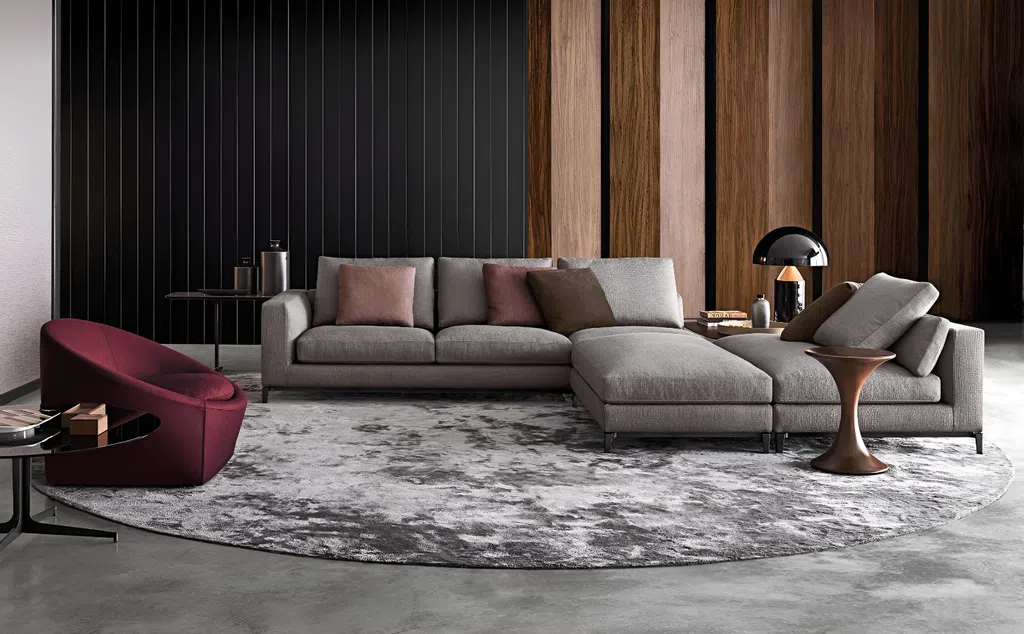
For over a decade, luxury consumption in China was strongly tied to visibility. Logos, monograms, and instantly recognizable luxury brands acted as immediate signals of success. Status was communicated externally and often instantly readable in public spaces. That logic is now evolving.
Luxury is not disappearing, but becoming quieter and more selective in how it is expressed. What is emerging is a structural shift toward restraint, material quality, and design intelligence over overt branding, extending beyond fashion into the home and interiors.
From Wardrobe to Living Space
Fashion once carried most of the signaling power in China’s luxury ecosystem. Today, that role is expanding into interiors, where consumption is slower, more permanent, and more emotionally embedded.
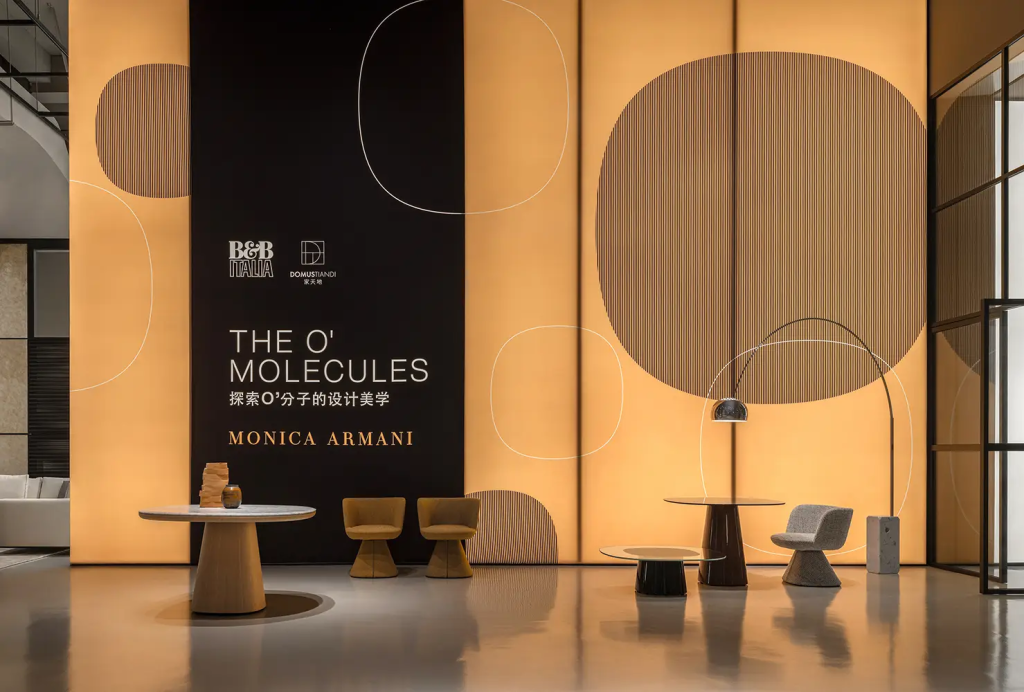
Unlike fashion, which changes frequently and often serves a social function, furniture, home design, and interior aesthetics reflect longer-term values and personal taste. This makes them a more enduring form of self-expression for increasingly design-aware consumers. As a result, materials are becoming more important than logos. Natural wood, stone, linen, and hand-finished surfaces are now valued not only for aesthetics but for what they communicate about restraint, permanence, and taste.
Why This Shift Is Happening Now
This change is driven by several converging forces. Rising disposable income plays a role, but a more important factor is the rapid increase in exposure to global design culture through digital platforms. Consumers today are far more visually literate and better able to distinguish surface styling from deeper design intent. China’s domestic furniture manufacturing ecosystem has improved significantly, reducing reliance on imported brands as the default signal of prestige.
Premiumization and the Rise of Bespoke
Within the broader market, premium furniture, bespoke design, and custom-made interiors are outperforming mid-range categories. This reflects rising expectations around material quality, design execution, and product personalization. At the same time, bespoke furniture is moving from niche to mainstream within the premium space. Consumers are increasingly involved in shaping the final product, becoming part of the value itself.
How Buying Decisions Are Actually Made in China
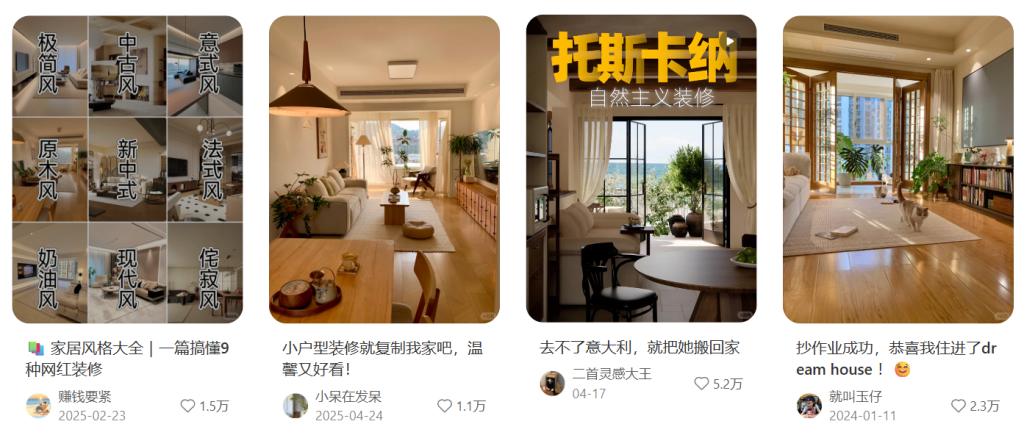
One of the most significant changes is not only what consumers want, but also how they make their decisions. Inspiration often begins on platforms such as Xiaohongshu, where interiors are evaluated through visual aesthetics, material cues, and lifestyle content. Douyin plays a different role, amplifying exposure and accelerating trends, particularly in faster-moving segments.
For high-end residential projects, decisions are also influenced by interior designers, sourcing agents, and procurement networks, where technical feasibility and material reliability often matter more than brand recognition. Brand influence is shifting upstream, and competition begins long before the point of purchase, at the stage where preferences, design direction, and product specifications are formed.
What This Means for Furniture Brands
For brands in the home, interior, and lifestyle category, visibility is no longer enough. Credibility, material transparency, and design authenticity have become the key currencies. Consumers are asking more precise questions about materials, construction, and design intent. In this environment, storytelling must move beyond aspiration and focus on explanation. Brands need to clearly communicate material quality, design logic, and production processes in a way that feels accessible and trustworthy to a more informed audience.
The Direction of China’s Furniture Market
The rise of quiet luxury in China’s home category reflects a deeper shift in how value is defined in a more mature consumption market. As incomes rise and design literacy continues to grow, consumers are moving toward more intentional and informed purchasing behavior, with greater focus on long-term satisfaction, material quality, and design coherence rather than immediate visual impact. Success will depend on how well a brand aligns with the way value is now understood inside the home.
Long Advisory digital marketing agency in China
Long Advisory supports Western companies in China through digital marketing. In fact, our experience has led us to believe that today, the best and most convenient approach to making your brand well-known in China is through a digital approach. Furthermore, thanks to our know-how, we know how to make your brand known to potential Chinese consumers. With the effective coordination of Long Advisory, your company will see a new rise in the largest market in the world: China.
Long Advisory is a digital marketing agency specializing in developing digital marketing solutions tailored for the Chinese market.


